

WESTlink reaches 500,000 journeys
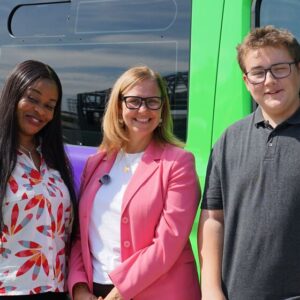
WESTlink, the West of England Mayoral Combined Authority’s flexible, bookable transport service, has now provided 500,000 journeys.
Read more
The West of England Mayoral Combined Authority, in consultation with local councils, has submitted initial plans to the Department for Transport on how to invest the record funding secured from government last year for transport improvements. The draft proposals include:
£59 million has also been provisionally allocated to assess options for future transport improvements, including looking at:
The final Local Transport Delivery Plan is set to be developed ahead of the autumn and follows the Transport Vision published last month, which set out the direction of travel for a better-connected West of England and was welcomed by government, transport, and business leaders:
Transport improvements are a big part of the ten-year Growth Strategy for the country’s fastest growing regional economy. Last year alone, just in Bath and Bristol, congestion cost our economy over £150 million. Better transport will help unlock more investment, create jobs, boost productivity, and drive further economic growth.
Helen Godwin, Mayor of the West of England, said:
“As our region’s plans grow stronger and our voice grows louder, we are already securing more investment for here in the West. Record transport funding for our part of the world needs to make a difference that people can see and feel.
“Getting the West of England moving remains our top priority, with better buses, more trains, safer walking and cycling, mass transit plans, and much more. Just last week, we named one of the five new train stations that we’re already delivering and it’s exciting to see work progressing around further new stations. And next week, will we be asking people to have their say on our developing Bus Plan to help shape a transport network that people can trust.“
Councillor Kevin Guy, Deputy Mayor of the West of England and Leader of Bath & North East Somerset Council, said:
“This emerging transport plan is a significant opportunity for Bath & North East Somerset to improve connections, tackle congestion and support sustainable growth across both Bath and our Somer Valley communities.
“Investment in better buses, rail and active travel is essential if we are to give people real alternatives to the car. The proposals around rail improvements and new stations, like the one in Saltford, are particularly important for ensuring Bath & North East Somerset is well connected to the wider region.
“We will continue working with the West of England Mayoral Combined Authority and government to make sure the final plan delivers real benefits for our residents and businesses.”
Councillor Tony Dyer, Leader of Bristol City Council, said:
“Having an integrated transport system that people can rely on and meets the demands of our city is key if we’re to truly unlock the economic potential of our city and the wider region.
“This Investment will mean improvements across each individual transport network but also ensure they are better-connected and provide the frequency and reliability that our residents need when travelling around Bristol and the West. It’s a significant step towards delivering a reliable and sustainable transport system, including a mass transit option, for the region which will make journeys quicker and more convenient whether travelling to work or getting out to enjoy nature or local attractions.”
Councillor Mike Bell, Leader of North Somerset Council, said:
“Improving transport is critical to supporting our communities and unlocking North Somerset’s potential. This emerging plan represents an important step towards delivering the reliable buses, better rail services and safer walking and cycling routes that our residents expect and deserve.
“We will continue to work closely with the Mayoral Combined Authority to make sure these significant investments deliver real benefits for people across North Somerset – connecting our towns and villages more effectively, supporting our local economy to grow, and helping us build a cleaner, greener future.”
Councillor Maggie Tyrrell, Leader of South Gloucestershire Council, said:
“South Gloucestershire residents deserve transport that is easy, reliable and genuinely convenient. The draft Local Transport Delivery Plan is a real chance to create the kind of high‑quality connections that make everyday journeys simpler, from the West Innovation Arc and our Science Park to the new community at Brabazon. We welcome the region’s proposals for better buses, more frequent rail and progress towards mass transit. These improvements will make it easier for people to get around, support thriving local places and give our communities more choice in how they travel.”
Original press release by the West of England Mayoral Combined Authority
WESTlink, the West of England Mayoral Combined Authority’s flexible, bookable transport service, has now provided 500,000 journeys.
Read more
Residents across Bristol are being asked for their views on the locations of up to 200 new marked e-scooter and...
Read more
This autumn, businesses and residents are being invited to have their say on proposals to introduce Bristol’s first red route...
Read more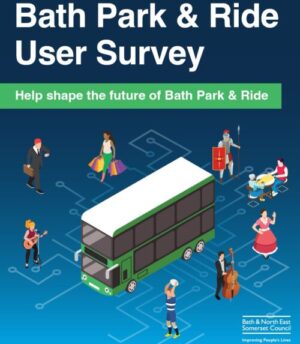
Bath & North East Somerset Council wants to hear from everyone who uses Park & Ride, whether regularly or occasionally....
Read more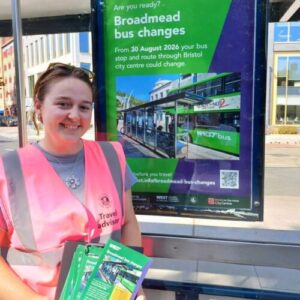
People who get on and off the bus in Broadmead will be able to get advice from a team of...
Read more